Book An Appointment

What You Need to Know About Dental Bonding: Costs, Benefits, and Durability
(702) 276-6648

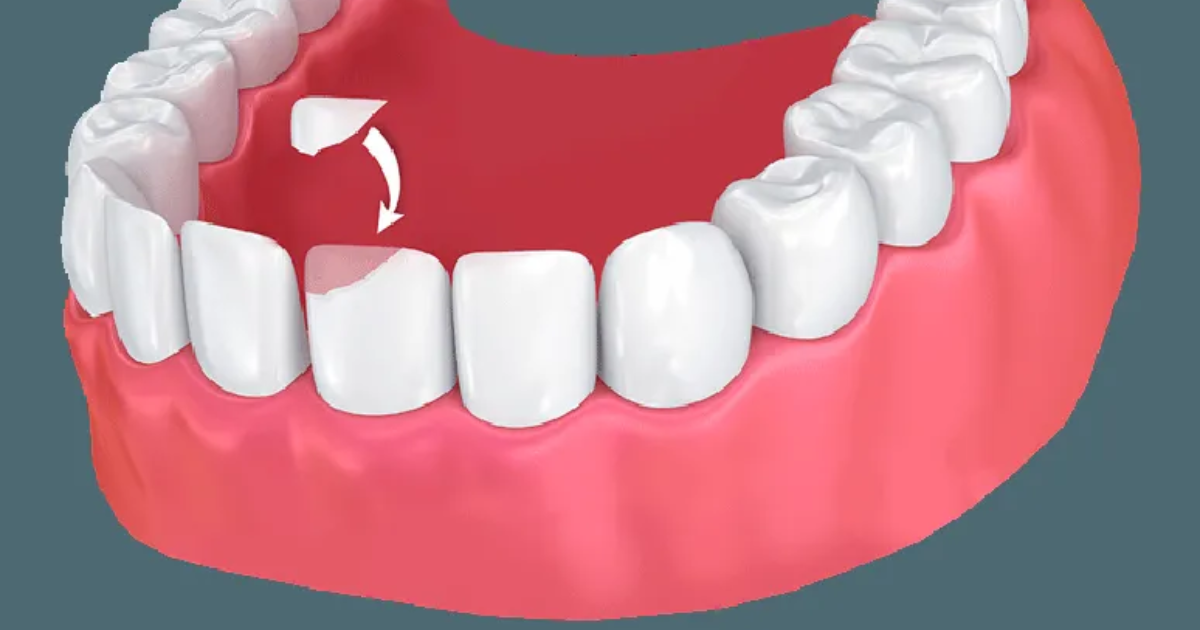
Are you looking to enhance your smile without invasive procedures?
Dental bonding might be the answer.
This versatile cosmetic treatment offers a quick and effective solution for correcting imperfections like chipped teeth, gaps, and discolorations. By bonding tooth-colored composite resin to your teeth, dentists can achieve natural-looking results in just one visit.
Imagine achieving a brighter, more confident smile in a single dental appointment. Dental bonding not only enhances aesthetics but also addresses minor dental issues with minimal discomfort.
Whether you’re curious about the costs involved, the longevity of results, or the overall benefits compared to other treatments, this blog will delve into everything you need to know.
Understanding these aspects can empower you to make informed decisions about your dental care, ensuring that your smile reflects your best self. Get ready to explore the transformative possibilities of dental bonding and discover why it’s a popular choice for enhancing smiles worldwide.
Cost of Dental Bonding
Factors Influencing the Cost
- Location: Prices can vary significantly based on regional costs and economic factors.
- Dentist Expertise: Experienced dentists may charge higher fees due to their skill level and reputation.
- Extent of Treatment: The number of teeth treated and the complexity of the bonding procedure can influence costs.
Comparison with Other Cosmetic Dental Procedures
- Veneers: Typically more expensive than bonding, veneers involve custom-made porcelain or composite shells that cover the entire front surface of teeth.
- Crowns: Generally more costly than bonding, crowns are caps that cover the entire tooth to restore its shape, size, and strength.
Benefits of Dental Bonding
Cosmetic Improvements
- Fixing Gaps: Bonding can effectively close small gaps between teeth, improving overall smile aesthetics.
- Discolorations: It covers stains and discolorations on teeth, providing a brighter and more uniform appearance.
- Irregularities: Dental bonding can reshape misshapen or uneven teeth, enhancing dental symmetry and overall smile harmony.
Non-Invasive Nature Compared to Other Treatments
- Minimal Tooth Removal: Unlike procedures like crowns or veneers, bonding requires minimal removal of tooth enamel.
- Preservation of Natural Teeth: It preserves more of the natural tooth structure, which is beneficial for long-term dental health.
Quick and Efficient Procedure with Immediate Results
- Single Visit: Bonding is typically completed in a single dental visit, making it convenient for patients with busy schedules.
- Immediate Results: Patients can see noticeable improvements in their smiles immediately after the bonding procedure is completed.
Durability and Longevity
Lifespan of Dental Bonding Materials
- Average Lifespan: Dental bonding materials typically last between 5 to 10 years, depending on various factors such as oral hygiene, biting forces, and the location of the bonding.
- Material Composition: Composite resin used in bonding is durable but may gradually wear down or stain over time, requiring periodic maintenance.
Maintenance and Care Tips to Prolong Bonding Effectiveness
- Good Oral Hygiene: Brushing and flossing regularly helps prevent plaque buildup and maintain bonding integrity.
- Avoiding Staining Substances: Limiting consumption of staining substances like coffee, tea, and tobacco can help preserve the bonding’s appearance.
- Regular Dental Check-ups: Routine visits to the dentist allow for early detection of any issues with the bonding and prompt repairs if needed.
Comparison with Other Dental Restorations in Terms of Durability
- Veneers: Porcelain veneers typically last longer than bonding, with an average lifespan of 10 to 15 years or more. They are more resistant to staining and offer superior durability.
- Crowns: Dental crowns, which cover the entire tooth, can last 15 years or longer. They provide greater strength and protection but require more tooth preparation compared to bonding.
Procedure and Recovery
Step-by-Step Outline of the Bonding Process
- Preparation: The dentist selects a shade of composite resin matching the natural tooth color.
- Surface Preparation: The tooth surface is etched and prepared to enhance bonding.
- Application: Composite resin is applied, molded, and smoothed to the desired shape.
- Curing: A special light is used to harden the resin, bonding it securely to the tooth.
- Final Touches: After trimming and polishing, the bonded area blends seamlessly with the natural teeth.
Recovery Period and Expected Discomfort Levels
- Immediate Results: Patients can resume normal activities immediately after bonding.
- Sensitivity: Minor sensitivity to hot and cold may occur initially but typically subsides quickly.
- Avoidance of Pressure: Chewing hard foods or biting on hard objects should be avoided initially to prevent damage to the bonding.
Post-Treatment Care Instructions for Optimal Results
- Oral Hygiene: Maintain regular brushing and flossing to keep the bonded area clean.
- Dietary Restrictions: Avoid foods and beverages that may stain or damage the bonding.
- Dental Visits: Schedule regular dental check-ups to monitor the bonding’s condition and address any issues promptly.
Dental bonding emerges as a versatile and effective cosmetic solution, offering immediate improvements with minimal invasiveness. Its affordability, durability, and natural appearance make it a preferred choice for enhancing smiles. Understanding the procedure, costs, and benefits empowers individuals to make informed decisions about their dental care, ensuring both aesthetic satisfaction and oral health longevity.